
Introduction
In 2026, a website is no longer just an online presence—it is your brand’s first impression, sales engine, and trust builder. Whether you’re launching a startup, running an e-commerce store, or growing a service business, the quality of your website design can directly impact conversions, credibility, and user engagement. This is where a web designer plays a critical role.
Many business owners assume web design is only about colors and layouts. In reality, a professional web designer combines visual design, user experience (UX), brand strategy, accessibility, and conversion principles to create websites that actually work. A poorly designed website can drive visitors away within seconds, while a thoughtfully designed one can guide users toward action—sign-ups, inquiries, or purchases.
At the same time, finding the right web designer can feel overwhelming. There are freelancers, agencies, platforms, and wide price ranges. Some designers focus on aesthetics, others on UX, and some offer complete design-to-development solutions. Understanding what a web designer does, when you need one, how much it costs, and where to find reliable professionals helps you make smarter decisions and avoid costly mistakes.
In this complete 2026 guide, we’ll break down everything you need to know about hiring a web designer. You’ll learn what services they offer, how they improve projects, where to find top web designers online, pricing expectations, and how to evaluate the right fit for your business. By the end, you’ll have a clear roadmap to move forward with confidence.
What Does a Web Designer Do and How Can They Help Me?
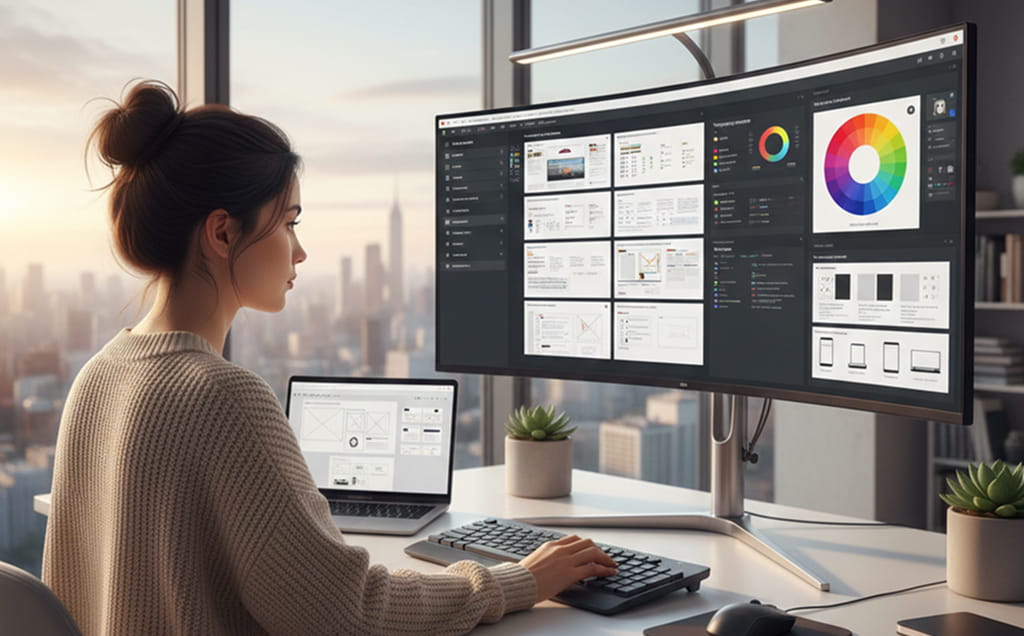
A web designer is responsible for planning, designing, and optimizing the visual and experiential aspects of a website. Their job goes far beyond making a site “look good.” A professional web designer ensures that every element supports usability, branding, and business goals.
Core Responsibilities of a Web Designer
A skilled web designer typically handles:
- Visual layout & structure – Designing page layouts that are clean, intuitive, and aligned with brand identity
- User experience (UX) design – Creating logical navigation paths and reducing friction for users
- Responsive design – Ensuring the website works flawlessly on desktop, tablet, and mobile devices
- Typography & color systems – Choosing fonts and color palettes that enhance readability and brand consistency
- Accessibility standards – Designing for inclusivity (contrast, font size, keyboard navigation, WCAG compliance)
- Conversion-focused design – Strategically placing CTAs, forms, and trust elements to improve results
How a Web Designer Helps Your Business
Hiring a web designer helps you:
- Increase engagement and reduce bounce rates
- Improve brand credibility and professionalism
- Convert visitors into leads or customers
- Build a scalable design system for future growth
- Align design with marketing and SEO strategies
A web designer acts as a bridge between your business goals and your audience’s expectations—translating strategy into design.
When Do You Need a Web Designer?
Not every website project needs the same level of design expertise, but there are clear situations where hiring a web designer becomes essential.
You should consider hiring a web designer if:
- You’re launching a new business or startup website
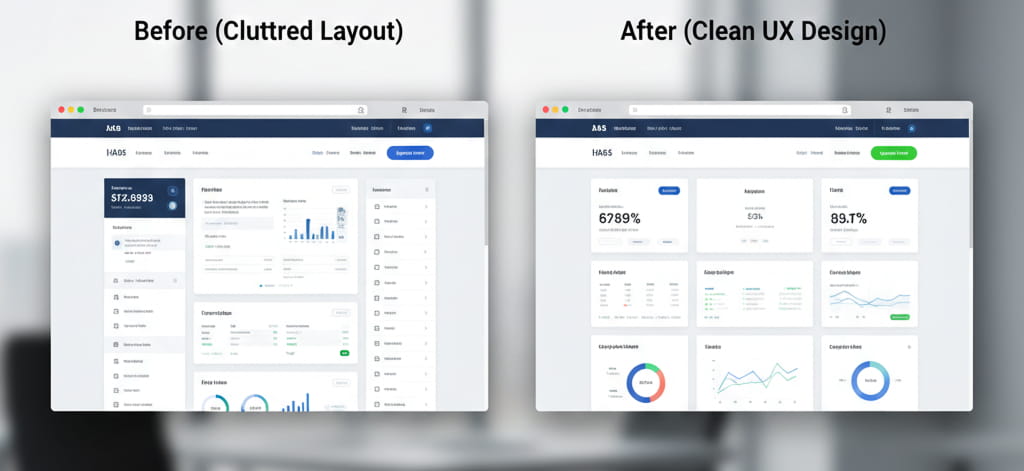
- Your current site looks outdated or unprofessional
- Users struggle with navigation or mobile usability
- Conversion rates are low despite good traffic
- You’re rebranding or targeting a new audience
- You want a design that supports SEO and performance
DIY website builders can work for basic needs, but they often lack the strategic thinking a professional web designer brings to the table.
What’s Included in Web Designer Services?
Web designer services can vary depending on experience level and project scope, but most professional offerings include a combination of the following.
Common Web Designer Deliverables
- Website UI/UX design (homepage + inner pages)
- Wireframes and design prototypes (Figma, Adobe XD)
- Responsive and mobile-first layouts
- Design system (colors, fonts, spacing, components)
- Landing page design for marketing campaigns
- E-commerce store design (product pages, checkout UX)
- Blog and content layout design
Some web designers also collaborate closely with developers or provide handoff files to ensure smooth implementation.
How Can a Web Designer Improve My Project?
A web designer improves your project by aligning user needs, brand messaging, and technical constraints into a cohesive experience.
Key improvements include:
- Better first impressions that build trust instantly
- Clear user journeys that guide visitors toward action
- Higher conversions through UX-driven layouts
- Improved mobile experience, which is critical in 2026
- Consistency across pages, improving usability and branding
In competitive markets, design quality is often the difference between a user choosing you—or your competitor.
How Much Does It Cost to Hire a Web Designer?
Web designer pricing depends on experience, project complexity, and scope.
Typical Cost Ranges in 2026
- Basic landing page: $150 – $400
- Small business website (5–8 pages): $500 – $1,500
- Custom UI/UX design: $1,500 – $3,500+
- Ongoing design support: $30 – $80/hour
If you’re looking to keep costs reasonable, Fiverr has web designer services available across different price ranges, making it easier to find someone who fits your budget. Many designers offer fixed-price packages, which helps avoid unexpected costs.
Where Can I Find Professional Web Designers Online?
There are several trusted platforms where you can find professional web designers, each suited to different needs.
Popular options include:
- Freelance marketplaces
- Professional networks
- Design agencies
- Specialized design platforms
Fiverr offers a straightforward way to find web designers – you can filter by experience, read reviews, and see past work samples before making a decision. This transparency makes it easier to evaluate designers before hiring.
You can explore professional web designer services here:
👉 https://www.fiverr.com/hire/web-design
👉 https://www.fiverr.com/hire/web-development
Who Are the Top Web Designers?
Rather than focusing on individual names, “top web designers” are defined by skill sets and results.
A top web designer typically has:
- A strong, diverse portfolio
- Proven UX and conversion results
- Experience in your industry
- Clear communication and process
- Positive client reviews and testimonials
Platforms with verified reviews make it easier to identify top-rated professionals quickly.
Best Site to Find Help With Web Designer Services
When comparing platforms, what sets Fiverr apart is the combination of competitive pricing, quick access to talent, and a review system that helps you choose the right web designer.
It’s especially useful for:
- Startups and small businesses
- One-time design projects
- Ongoing design support
- Budget-controlled projects
Roadmap: How to Get Started With a Web Designer
Before hiring, follow this simple roadmap:
- Define your website goals
- List required pages and features
- Set a realistic budget
- Review portfolios carefully
- Ask about process and timelines
- Start with a small milestone
This ensures clarity on both sides and leads to better results.
Practical Guidance: How to Work With a Web Designer Successfully (Step-by-Step)
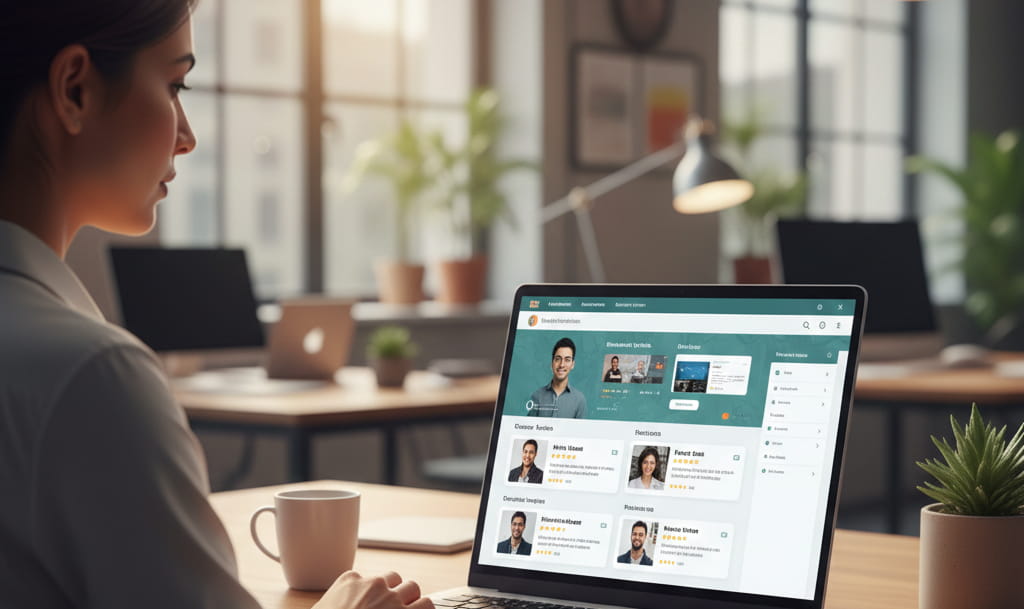
Hiring a web designer is not just about finding talent—it’s about collaboration. Even the best web designer cannot deliver strong results without clarity, communication, and structure. Below is a practical step-by-step guide to ensure your project succeeds.
Step 1: Define Clear Goals Before Hiring
Before contacting a web designer, write down:
- Purpose of the website (leads, sales, branding, portfolio)
- Target audience
- Required pages (Home, Services, Blog, Contact, etc.)
- Competitor examples you like
This prevents vague feedback like “make it modern” and saves time.
Step 2: Decide Scope & Budget Early
Be clear whether you need:
- Design only (Figma / XD)
- Design + development
- Ongoing design support
If you’re looking to keep costs reasonable, Fiverr has web designer services available across different price ranges, making it easier to find someone who fits your budget.
Step 3: Review Portfolios Strategically
Don’t just look at visuals—check:
- Mobile responsiveness
- Consistency across pages
- CTA placement
- Readability and spacing
A good web designer explains why design decisions were made.
Step 4: Start With a Milestone
Instead of full commitment, begin with:
- Homepage design
- One landing page
- UI kit
This reduces risk and builds confidence on both sides.
Step 5: Provide Feedback Properly
Good feedback is:
- Specific (“Increase spacing here”)
- Goal-oriented (“Improve clarity for CTA”)
- Timely
Avoid emotional feedback like “I don’t like it” without reasoning.
Real-World Examples: How Web Designers Improve Projects
Example 1: Small Business Website Redesign
A local service business had traffic but low inquiries. A web designer:
- Simplified navigation
- Improved mobile UX
- Added trust sections (reviews, badges)
- Repositioned CTA buttons
Result: 2.3× increase in contact form submissions.
Example 2: Startup Landing Page
A SaaS startup used a generic template. A web designer:
- Created a custom hero section
- Improved typography hierarchy
- Designed a clear onboarding flow
Result: Higher demo sign-ups and lower bounce rate.
Example 3: E-commerce Brand
An online store struggled with cart abandonment. A web designer:
- Redesigned product pages
- Simplified checkout UX
- Improved visual consistency
Result: Increased conversions without paid ads.
Comparing Platforms to Hire Web Designers
There are multiple ways to find web designers. Here’s how they compare.
Freelance Marketplaces
- Wide talent pool
- Flexible pricing
- Ideal for small to mid-size projects
Fiverr offers a straightforward way to find web designers – you can filter by experience, read reviews, and see past work samples before making a decision.
Agencies
- Higher cost
- Structured process
- Best for large enterprise projects
Professional Networks
- Harder screening
- Often higher hourly rates
- Good for long-term hires
What sets Fiverr apart is the combination of competitive pricing, quick access to talent, and a review system that helps you choose the right web designer.
Explore here:
Any Recommendations for Web Designer Services?
Yes—based on 2026 hiring trends:
- Use platforms with verified reviews
- Prefer designers who understand UX + business goals
- Avoid designers who only talk about aesthetics
- Start small, scale later
- Choose designers familiar with SEO-friendly layouts
Fiverr is commonly used by startups, founders, and agencies because of its speed, clarity, and cost control.
How a Web Designer Fits Into Long-Term Growth
A web designer is not just for launch day. Long-term benefits include:
- Design updates for campaigns
- Conversion optimization
- UI improvements based on analytics
- Brand consistency as you scale
Many businesses now retain a web designer monthly rather than hiring repeatedly.
Conclusion
A professional web designer plays a crucial role in shaping how users experience your brand online. In 2026, websites must do more than exist—they must communicate, convert, and build trust instantly. From UX strategy and responsive layouts to accessibility and conversion optimization, a web designer ensures your website supports real business outcomes.
Understanding what a web designer does, what services are included, how much it costs, and where to find reliable professionals allows you to make informed decisions. Whether you’re launching a new site, redesigning an old one, or optimizing for growth, the right web designer can dramatically improve performance and credibility.
For businesses seeking flexibility, transparency, and fast access to talent, platforms like Fiverr continue to be a practical option. With clear reviews, pricing ranges, and diverse expertise, it’s easier to match with a web designer who aligns with your goals.
Investing in good web design isn’t an expense—it’s a long-term asset that compounds results over time.