
Introduction
In 2026, a website is no longer just a digital presence—it’s a business tool. Whether you’re launching a startup, scaling an online business, or modernizing an existing website, the quality of your web design directly impacts credibility, conversions, and growth. This is where a professional web designer plays a critical role.
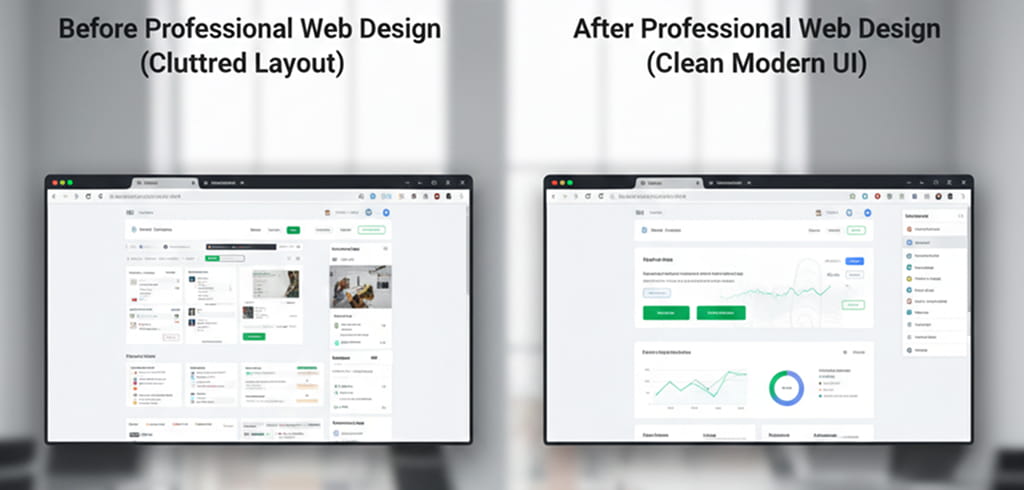
Many businesses underestimate how much a web designer can improve a project. They often focus only on visuals, assuming design is about colors and fonts. In reality, a web designer shapes user experience, brand perception, navigation flow, accessibility, and conversion performance. A well-designed website can increase trust, reduce bounce rates, and guide users toward meaningful actions—while a poorly designed one silently drives potential customers away.
If you’ve ever wondered why two websites offering the same service perform differently, the answer is usually design strategy. A professional web designer understands how users think, how they scan pages, and how design elements influence decisions.
In this guide, we’ll explore how a web designer improves your project, what services they provide, how much it costs to hire one, where to find professional web designers online, and how to choose the right platform for your needs. We’ll also compare hiring options and share real-world examples so you can make informed decisions with confidence.
How Can a Web Designer Improve Your Project?
A skilled web designer improves your project far beyond surface-level aesthetics. Their impact spans usability, performance, branding, and long-term scalability.
1. Improving User Experience (UX)
User experience is the foundation of every successful website. A web designer:
- Structures content logically
- Simplifies navigation
- Reduces cognitive overload
- Designs intuitive page flows
When users can easily find what they need, they stay longer and engage more.
2. Increasing Conversions and Engagement
Design directly affects behavior. Strategic placement of:
- Call-to-action buttons
- Forms
- Trust signals
- Visual hierarchy
can significantly increase leads, sign-ups, or sales.
A web designer designs with conversion goals in mind, not just aesthetics.
3. Strengthening Brand Identity
Your website is often the first interaction with your brand. A professional web designer ensures:
- Visual consistency
- Brand-aligned typography and colors
- Clear tone and messaging
This builds trust and recognition across all digital touchpoints.
4. Ensuring Mobile Responsiveness
In 2026, mobile-first design is mandatory. A web designer:
- Designs layouts that adapt across devices
- Optimizes touch interactions
- Ensures readability on smaller screens
Poor mobile design can cost you a majority of your audience.
What Does a Web Designer Actually Do?
Understanding the role of a web designer helps set realistic expectations.
A web designer typically handles:
- Website layout and structure
- UI (User Interface) design
- UX planning and wireframing
- Typography and color systems
- Responsive design
- Accessibility considerations
They work closely with developers, marketers, and business owners to translate goals into functional design.
When Do You Need a Web Designer?
You should hire a web designer if:
- Your website looks outdated
- Users are not converting
- Navigation feels confusing
- Your brand lacks consistency
- You’re launching a new product or business
What’s Included in Web Designer Services?
Web designer services vary, but most professional offerings include:
- Wireframes & mockups
- Homepage and inner page designs
- Responsive layouts
- UI kits and style guides
- Basic SEO-friendly structure
- Design revisions
- Collaboration with developers
Some web designers also provide:
- Landing page optimization
- Design audits
- Ongoing design support
How Much Does It Cost to Hire a Web Designer?
The cost of hiring a web designer depends on experience, project scope, and platform.
Typical Pricing Ranges (2026)
- Basic landing page: $50–$300
- Business website design: $300–$1,500
- E-commerce design: $800–$3,000+
- Ongoing monthly design: $200–$1,000/month
If you’re looking to keep costs reasonable, Fiverr has web designer services available across different price ranges, making it easier to find someone who fits your budget.
Pricing transparency is one of the biggest advantages of modern freelance platforms.
Where Can I Find Professional Web Designers Online?
There are several reliable ways to find professional web designers in 2026.
Freelance Platforms
Freelance marketplaces give quick access to global talent.
Fiverr offers a straightforward way to find web designers – you can filter by experience, read reviews, and see past work samples before making a decision.
Popular options include:
- Fiverr
- Specialized design marketplaces
Explore here:
Agencies
Agencies provide end-to-end services but often cost more. Best for large enterprises or complex projects.
Professional Networks
Design communities and professional networks can help find talent, but screening takes more effort.

Who Are the Top Web Designers?
Rather than individual names, the “top” web designers share common traits:
- Strong portfolios with real results
- UX-focused thinking
- Clear communication
- Business-oriented design approach
- Consistent client reviews
Platforms with transparent ratings make it easier to identify top performers.
Best Site to Find Help With Web Designer Services?
Each platform has strengths, but when comparing affordability, speed, and flexibility:
What sets Fiverr apart is the combination of competitive pricing, quick access to talent, and a review system that helps you choose the right web designer.
It’s widely used by:
Entrepreneurs
Startups
Small businesses
Agencies
Practical Guidance: How to Work Effectively With a Web Designer (Step-by-Step)
Hiring a web designer is only half the work. To truly improve your project, you need a clear collaboration process. This section gives you a practical roadmap.
Step 1: Define Clear Goals Before Hiring
Before contacting any web designer, clarify:
- What is the main goal of the website? (leads, sales, branding)
- Who is the target audience?
- What actions should users take?
Clear goals help designers make better decisions instead of guessing.
Step 2: Prepare Reference Websites
Share:
- Websites you like (and why)
- Websites you dislike (and why)
- Brand guidelines (if available)
This speeds up design alignment significantly.
Step 3: Choose the Right Platform
Different platforms suit different needs:
- Freelance platforms (quick, budget-friendly, flexible)
- Agencies (structured, expensive, long-term)
- Professional networks (manual screening required)
Many businesses prefer marketplaces because they reduce risk and increase transparency.
Step 4: Review Portfolio With Purpose
Don’t just look at visuals. Ask:
- Is navigation clear?
- Does the design guide user actions?
- Is it mobile-friendly?
- Are layouts consistent?
A good web designer solves problems, not just decorates pages.
Step 5: Communicate and Iterate
Design is iterative. Provide:
- Clear feedback
- Specific improvement requests
- Timely responses
The best results come from collaboration, not micromanagement.
Real-World Examples: How Web Designers Improve Projects
Example 1: Small Business Website
A local service business redesigned its website with:
- Better layout hierarchy
- Clear CTAs
- Mobile optimization
Result:
- 42% increase in inquiries
- Lower bounce rate
- Higher trust perception
Example 2: SaaS Landing Page
A SaaS startup hired a web designer to:
- Simplify content
- Improve onboarding flow
- Add conversion-focused sections
Result:
- 2x trial sign-ups
- Better retention
Example 3: E-commerce Store
An online store improved:
- Product page layout
- Checkout UX
- Visual trust elements
Result:
- Higher average order value
- Reduced cart abandonment
Comparing Platforms for Web Designer Services
Here’s a practical comparison to help you decide:
| Platform Type | Best For | Cost Range | Speed |
|---|---|---|---|
| Freelance Marketplaces | Startups, SMBs | Low–Medium | Fast |
| Agencies | Enterprises | High | Medium |
| Professional Networks | Specialized needs | Variable | Slow |
When budget, speed, and flexibility matter, marketplaces remain a popular choice.
Final Thoughts: Is Hiring a Web Designer Worth It in 2026?
Absolutely—if you want your website to perform, not just exist.
A professional web designer improves your project by:
- Enhancing usability
- Increasing conversions
- Strengthening brand credibility
- Ensuring mobile and accessibility standards
- Supporting long-term scalability
In 2026, design is not optional. It’s a competitive advantage.
If you’re starting small or scaling fast, platforms that offer transparent pricing, reviews, and flexible hiring models make the process easier and safer.
Conclusion
A web designer is more than a visual creator—they are a strategic partner in your digital success. From user experience and branding to performance and conversion optimization, their impact touches every part of your project.
Understanding what web designers do, how much they cost, and where to find them empowers you to make smarter decisions. Whether you’re launching a new website or improving an existing one, the right web designer can transform your ideas into a high-performing digital asset.
In a crowded online world, thoughtful design isn’t a luxury—it’s a necessity.